







Mergers & Acquisitions: How Marketing Strategies Enable a Smooth Transition
5 Key Challenges in M&A that Marketing Strategies Can Solve Top M&A Lessons: Companies that clearly communicate the purpose of the merger,...
2 min read

Marketing and sales have, in many organizations big and small, operated in silos. The web has brought them together, but it takes more than technology to efficiently align them. Launch Team President Michele Nichols and One Down Consulting Co-Founder Ron Wille have worked to improve revenue with sales and marketing alignment, in their own businesses and in their clients' businesses. Join the conversation as they discuss trends, benchmarks, actionable tips and best practices for ever-better results in this blog series.
In this week’s conversation between Ron and Michele, we hit on rhythm. The timing of sales follow-up is a question we hear a lot from clients, one we’ve experimented with ourselves, and a vast opportunity for improving your results.
Exact best practices for timing depends on industry and customer profile. Across industries, though, exceptional sales people excel at both ends of the spectrum: immediacy and patience.

Build on your first impression with immediate follow-up to create interest and build trust. In inbound marketing, you have 100x greater chance of connecting with a lead in the first five minutes after they’ve expressed interest or downloaded a white paper than you do after 30 minutes, and you're 21x times more likely to create a qualified lead.
If you’re using trade shows to generate leads, same-day follow-up is critical. Use preloaded templates in your CRM with your picture with the same look and feel as your business card to send 1:1 emails thanking them for stopping by, and encouraging them to stop back with any questions.
Immediate attentiveness is the best way to give prospects a feel for the standard of customer service they’ll experience as a client.
Ron tells us he learned patience from his work in developing systems for non-profits. There’s no way to accelerate the sales process here—you must simply understand it, and be there to support them at the right time.
Michele reiterates that too often the salesperson tries to shape the timing to his needs. To improve close rates, ‘go for the no’—ask outright if this is ‘back burner’ for now. This type of language allows the prospect to be straightforward and share their timing and needs.
That doesn’t mean you lose control of the sales process. Clearly communicate your process up front to the prospect: here’s where we are, here’s what happens next. For one Launch Team customer, a simple change on their RFQ form—promising a specific response time, 24-48 hours, instead of “ASAP”—significantly improved conversion rates.
Scheduling all sales meetings up front can also shorten the sales cycle and create an implicit commitment from your prospect.
Customer segmentation can improve post-sale revenue as well. Schedule check-in frequencies depending on their needs. For example, one client assigns an account manager to call all ‘C’ customers quarterly to learn what’s happening in their business and explore ways to help. This simple rhythm just resulted in a $250,000 deal, far more than any business they’d done together to date.
Download our tip sheet for more best practices you can use to perfect sales follow-up.


5 Key Challenges in M&A that Marketing Strategies Can Solve Top M&A Lessons: Companies that clearly communicate the purpose of the merger,...

Technology Doesn't Replace Great People. It Helps Them Scale Their Impact. Manufacturers have always competed on quality, delivery, engineering...
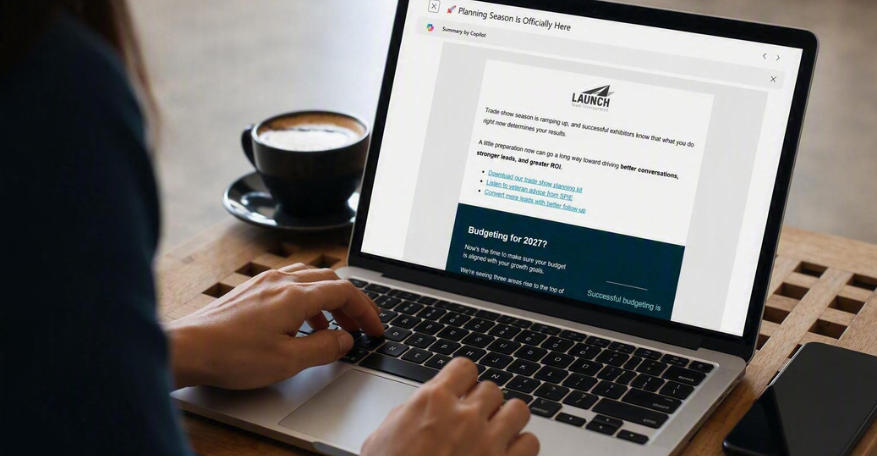
TL;DR AI is changing how buyers consume email. Subject lines, preview text, and relevance matter more than ever. Email performs best as part...