







Branding Strategies for B2B Technology Companies
Build a Brand that Earns Trust and Demands a Premium
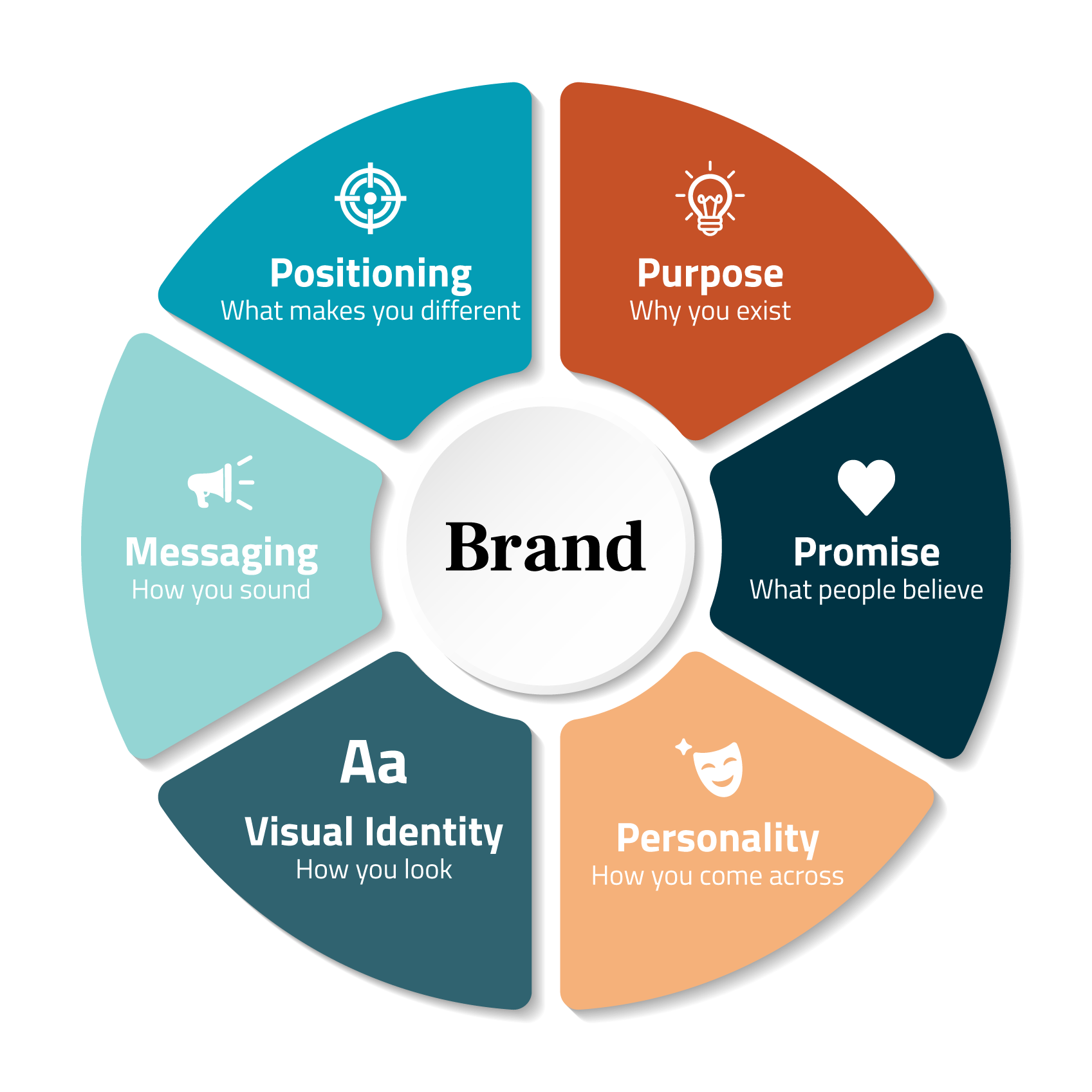
Your company’s brand is more important than ever. It’s your identity, story, and promise to the customer. A great brand should be recognizable without your logo, by color palette, tone, and treatment.
Technology companies have traditionally discounted branding, but technical buyers decide whom they trust before they talk to sales. If your brand doesn’t clearly communicate value, you lose deals before the first conversation. Launch Team helps engineering-driven companies translate complex technology into clear, credible brands that build trust faster and win more deals.
Rebrand
Typically needed when:
- Your company has gone through an acquisition or merger
- Your name or positioning limits entry into new markets
- Your brand no longer reflects your capabilities or vision
Refresh
A brand refresh may be enough when:
- Visual identity feels outdated
- Messaging lacks clarity or consistency
- Modernize without losing recognition
Do You Need a Rebrand or a Refresh?
Companies that are newer to market or have been through acquisitions and product line expansions have the opportunity to reset their brand and start a new story.
Most technical companies struggle with:
- Inconsistent positioning across teams
- Product-first messaging that doesn’t translate to value
- Complex value propositions
- Channel and distributor confusion
- Slower sales cycles and lower win rates
Launch Team starts with a brand assessment and voice of the customer to understand your brand perception and value. We often find that sometimes a company needs a rebrand, sometimes just a brand refresh to modernize and clarify.
First 90 days
Kickoff
B2B marketing strategies and internal housekeeping
Identify top priorities
Marketing assessment, competitive analysis, go-to-market strategy
Identify top priorities
Initial results
Traffic, leads, opportunities
What Happens in the First 90 Days?
Every niche market engages differently. At kickoff, we cover both B2B marketing strategies and internal housekeeping:
- Revenue goals
- Competitive landscape
- Business initiatives in play
- Technology overview
We'll get access to the tech stack and marketing channels, set up a recurring meeting, and identify points of contact.
From there, we’re off and running, typically with a marketing assessment, competitive analysis, and go-to-market strategy. We’ll choose top priorities together, with delivery and initial results in the first 90 days. You should see these marketing efforts begin to pay off in traffic, leads, and opportunities.
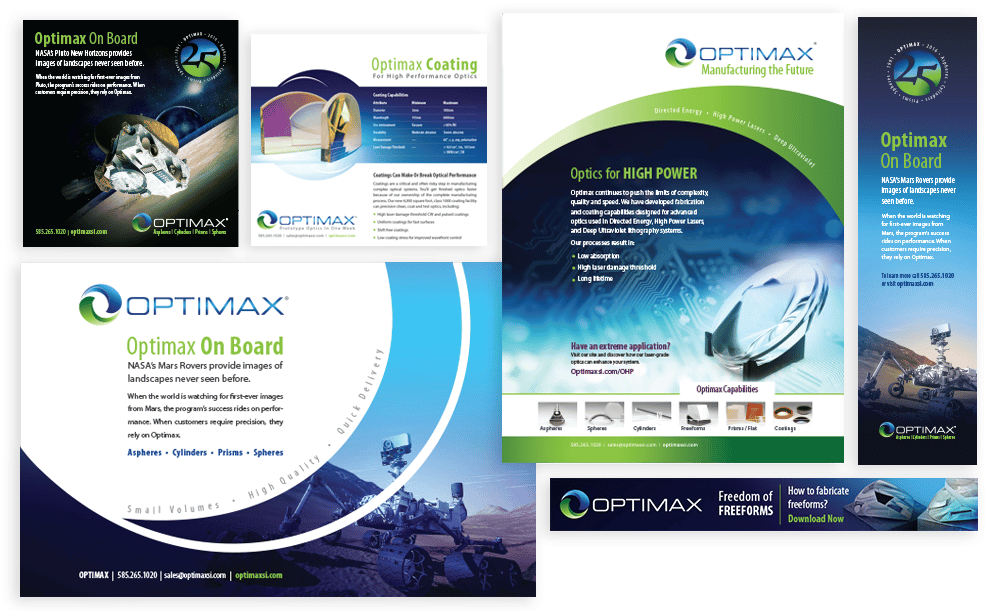
When Optimax needed to elevate its brand while competing for talent in a historically underserved market, Launch Team developed a unified strategy to support both growth and recruitment.
By aligning brand, digital, and integrated campaigns, we increased global visibility and built a scalable workforce positioned to sustain long-term growth.
—Rick Plympton
Chairman, Optimax

Complex products require different branding systems
Brand identity is how your company is expressed visually and verbally across every touchpoint. For engineering-driven and deep tech companies, strong branding simplifies complex offerings.
Strong branding drives:
- Higher win rates and larger deal sizes
- Technical and executive buyer confidence
- Higher perceived value
- Ability to attract top talent and customers
A well-defined brand ensures prospects understand your value before the first meeting. You’re sought after and demand a premium.
Build a brand that accelerates trust and supports growth
See how a structured brand identity system improves clarity, consistency, and win rates.
Qualified Leads
A metrology company facing little to no increase in high-quality leads.
Launch a lead generation campaign using growth marketing strategies that increased qualified leads 400% year-over-year.
Content Strategy
Unclear value proposition for photonics products/platforms across channels.
Optimizing B2B content marketing strategy and addressing the buyers’ pain points through social media, email, website, and long-form content pieces.
Standardized Tech Stack
CRM and sales tools not set up to support long sales cycles.
Standardizing marketing and sales automation tech stack and training staff to implement it into their daily workday.
Go-to-market Strategy
An optics company needing to enter the semiconductor market.
Creating and executing an account-based marketing (ABM) plan, including a complete go-to-market strategy.
Brand Identity FAQs
-
What is the difference between market positioning and brand strategy for B2B technology companies?
Market and product positioning are an important part of branding. Positioning is your product or company’s unique value proposition, and along with your naming, visual identity, personality, purpose and promise, make up a strong brand that stands out from competitors.
-
How do you rebrand a deep tech company after acquisition, merger or market pivot?
Carefully! After acquisition, there is typically an interim stage, with a rush of integration activities. Companies typically maintain elements of their brand during this time and approach a fuller and more strategic rebranding 2-3 years after acquisition. Market pivots can call for a rebranding if your company name is a barrier to entry. If the brand supports expansion into new markets, focus on market positioning, messaging architecture, and updates to the look and feel to prove relevance to a new segment.
-
What are the current trends in branding for B2B technology companies?
Even consumer brand trends impact B2B technology company branding. 2025 brand trends focused on minimalism, while 2026 is already seeing human-centric design to combat AI uniformity. Companies are focusing on real people, real voices and real images—authentic over sterile.
-
What branding challenges do deep tech companies face?
- Rebranding after acquisition—when and how to integrate brands
- Brand extension—adding a new division or entering a new market
- Brand clarity—working from legacy brand assets to strengthen your story
- Brand awareness—reach the right audience with a stronger story
- Product naming and branding—creating stand-alone brand recognition within the hierarchy of your company brand
-
Why brand identity is different for technical companies?
Brand identity in deep tech isn’t about aesthetics—it’s about translating complex capabilities into clear, credible signals.
Your buyers are engineers, product leaders, and executives who evaluate risk. Your brand must communicate precision, expertise, and trust at a glance.
-
What is your branding approach?
-
-
Assess – Current brand, customer perception, Voice of Customer
-
Define – Positioning, messaging, differentiation
-
Design – Visual and verbal identity systems
-
Deploy – Across sales, marketing, and digital channels
-
-