



Winning Talent and Trust in 2026
The workforce has changed yet again. While "The Great Resignation" has passed, its impact continues to shape the way companies grow, hire, and retain...
3 min read

The workforce has changed yet again. While "The Great Resignation" has passed, its impact continues to shape the way companies grow, hire, and retain talent today. We are no longer seeing the mass quitting that defined the last few years, but employee engagement is eroding, and retention of both customers and employees is dropping.
At the same time, the way talent evaluates employers has fundamentally shifted. According to Glassdoor, 83% of job seekers research a company's reviews and ratings before deciding where to apply. Trust has become a prerequisite, not a differentiator.
These challenges are making your company's brand, culture, and leadership more important than ever. These are your key growth drivers, and by making them clear, credible, and consistently lived, you are setting yourself up for success in 2026 and beyond.
People are becoming more selective with the companies they apply to and work for. In today's reputation economy, employees evaluate companies the same way that customers evaluate brands: through reputation, values, experience, and trust.
Before applying, candidates are researching:
As a result, employer reputation directly impacts the speed and cost of hiring, customer trust and loyalty, and long-term retention. In this competitive market shaped by changing employee expectations, reputation determines whether talent is going to lean in or opt out before you even have the chance to engage them.
This requires a mindset shift. Stop asking the question "How do we fill roles?" Instead, ask "Why would someone choose to stay here?"
The companies that are thriving in the reputation economy don't just tell better stories. They are building better systems that prove they practice what they preach and that authenticity is what draws people in.
Retention is a metric that impacts more than just HR. It affects margins, execution, innovation, and customer experiences. High turnover slows your team's momentum, increases operational drag, and creates hidden costs that ripple through the entire organization.
By creating a strong and supportive culture, organizations can reduce hiring costs, shorten onboarding timelines, and mitigate brand risk in the long run. When a company's culture is designed with purpose, it becomes an operating system that supports people and performance.
Key drivers of employee engagement include:
Retaining employees is not only more cost-effective than replacing them, but it also preserves institutional knowledge, trust, and execution ability; three things growth-oriented companies can't afford to lose
Ultimately, the way you treat your employees shapes the way they treat your customers. Companies that retain talent, retain customers.
Download our Culture and Brand Building eBook to turn your brand and culture into a competitive advantage for attracting and retaining talent and trust.

AI has become embedded across many companies' marketing, operations, and talent systems. While it has increased efficiency and scale, many companies are suffering the unintended consequences of lost authenticity and human connection, two things today's talent is seeking.
How Effective Organizations are Using AI in 2026According to Deloitte's State of AI in the Enterprise 2026
|
AI is transforming the way companies operate. Employees aren't exactly against AI, but they are resisting outcomes that don't align with their values. This includes:
Losing autonomy and creative input
The speed of AI integration is grabbing everyone's attention, but how you deploy AI can determine if talent is drawn in or pushed out. When AI is used to support people, it becomes a powerful driver of engagement, trust, and performance.
A sustainable workforce is an advantage that organizations cannot afford to lose in today's market. A workforce that lasts can't be built through one-off initiatives or programs within a single department. True strength comes from cross-functional ownership and leadership alignment.
In high-performing organizations, workforce strategy operates as a system, and every function plays a key role in building trust and retention:
When these functions are aligned, a company's culture shifts from a slogan to a system that reinforces values through actions, decisions, and experiences. That cohesion is what differentiates good employers from great employers, and reactive organizations from those built to grow and thrive.
The Great Resignation of 2021 forced change that is still felt to this day. Organizations that approach their workforce strategy with intention, accountability, and care will be the ones pulling ahead in this new era of work.
Sustainable growth doesn't come from hiring faster; it comes from building an environment people choose to stay. Culture, brand, and leadership work together to support performance and belonging.
Launch Team Inc. helps organizations turn brand, culture, and workforce strategy into a competitive advantage. Whether you are building your brand from the ground up or want some tips on how to strengthen your strategy, we are here for you. Contact us today and allow us to support your organization's long-term growth.

The workforce has changed yet again. While "The Great Resignation" has passed, its impact continues to shape the way companies grow, hire, and retain...

Utilize Launch Team’s Organizational Checklist for Brand Consistency and Streamlined Workflow How often do you find yourself or your team digging...
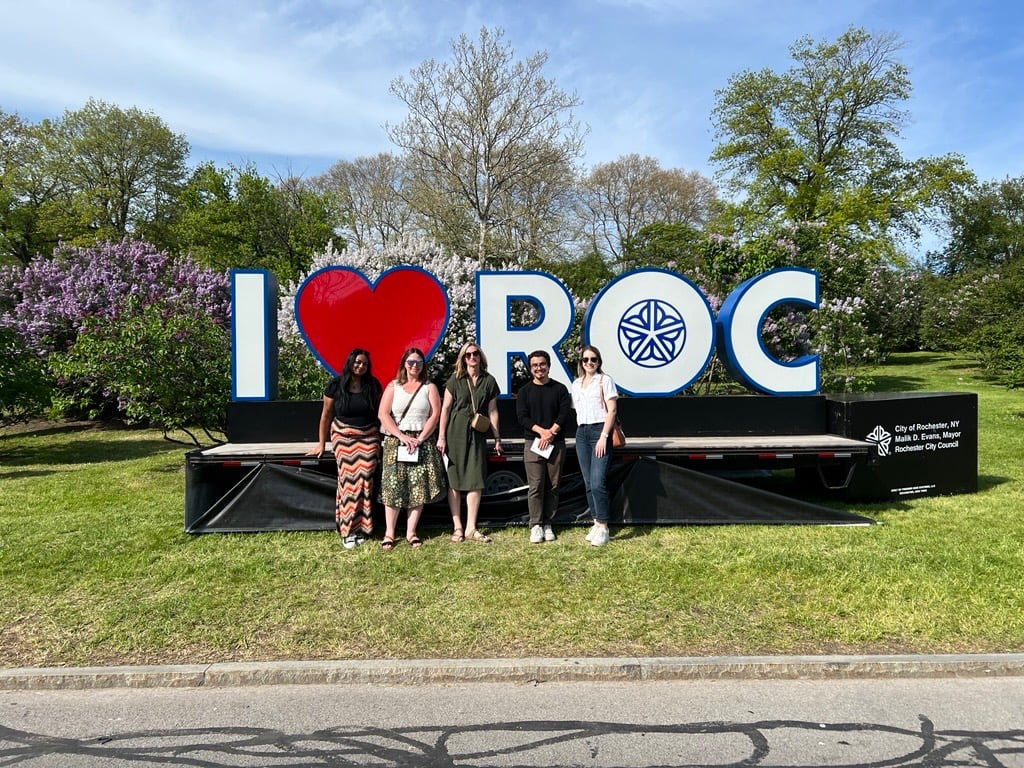
2026 marks Launch Team’s 40th anniversary, and we’re celebrating decades of helping companies grow, adapt, and thrive. Leading up to this milestone,...