






Mergers & Acquisitions: How Marketing Strategies Enable a Smooth Transition
5 Key Challenges in M&A that Marketing Strategies Can Solve Top M&A Lessons: Companies that clearly communicate the purpose of the merger,...
2 min read
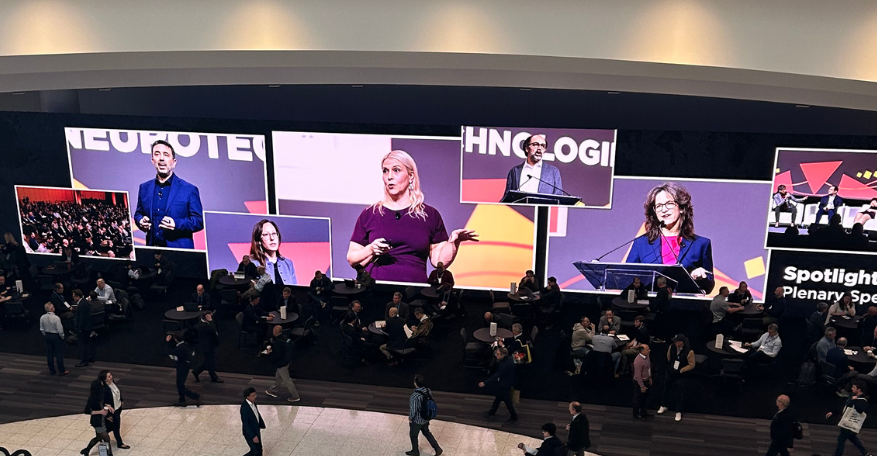
Trade shows remain one of the most valuable opportunities to connect with the right audiences, generate pipeline, and build relationships, but making the most of them requires more than just showing up. From booth design to follow-up strategy, every detail plays a role in driving results. Insights from early shows like Photonics West offer a clear look at how attendees and exhibitors are evolving across high-tech industries—and what it takes to stand out.
Closed-off booths of the past are being replaced by open, modern designs that are intentionally built for driving conversation. The right layout and design are key to driving engagement and helping your booth stand out, regardless of the footprint or budget.
The goal is not solely to impress people from across the room. It's to make it easy for the right people to step in, learn about what you do, and start productive conversations.
Attendees aren't browsing casually. Most come prepared with a short list of priorities and limited time. The smartest teams:
Trade show success depends on who is in your booth. Strong teams bring a mix of sales, product, and leadership, making sure goals are discussed and aligned before heading out. When everyone understands the target audience, key messaging, and what success looks like, even the shortest interactions make a big impact.
That level of impact starts well before the show, with lead scoring, defined priorities, and strong internal communication—especially when maximizing the efficiency of a small B2B sales team.
Trade shows are one of the few places where product, sales, and marketing show up together. When teams align and execute well, it shows.
The biggest tradeshow failures don't actually happen at the event; they happen after.
Smart teams plan post-show engagement before the event even begins. They define lead categories, align on next steps, and equip sales with context—not just contact info.
Generic follow‑ups signal that the conversation didn’t matter. Timely, relevant outreach keeps momentum alive and builds relationships that convert into pipeline.
Attendees are becoming more intentional. Expect less wandering and browsing and far more scheduled meetings and targeted conversations.
Keynotes, panels, and small roundtables are increasingly important when it comes to sparking discovery and deeper engagement.
Networking is more focused and the value comes from asking better questions, not just collecting cards or LinkedIn connections.
As attendee behavior continues to shift, the teams that plan ahead, engage with purpose, and follow through effectively are the ones seeing the strongest results.


5 Key Challenges in M&A that Marketing Strategies Can Solve Top M&A Lessons: Companies that clearly communicate the purpose of the merger,...
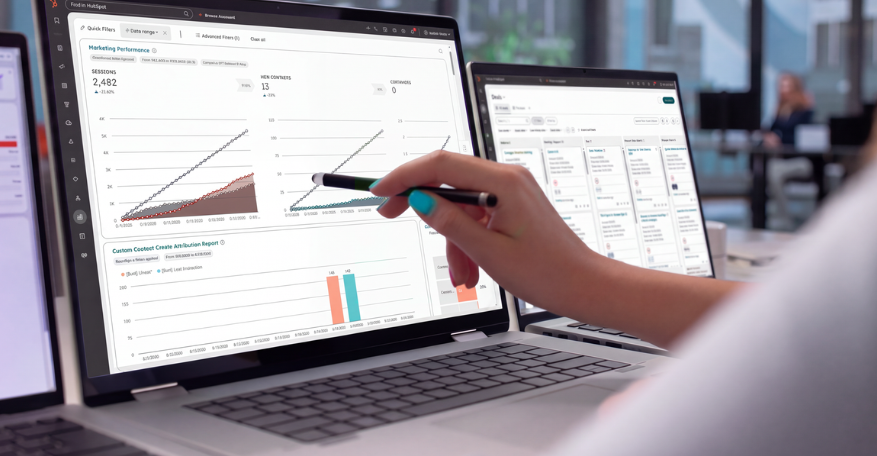
Technology Doesn't Replace Great People. It Helps Them Scale Their Impact. Manufacturers have always competed on quality, delivery, engineering...
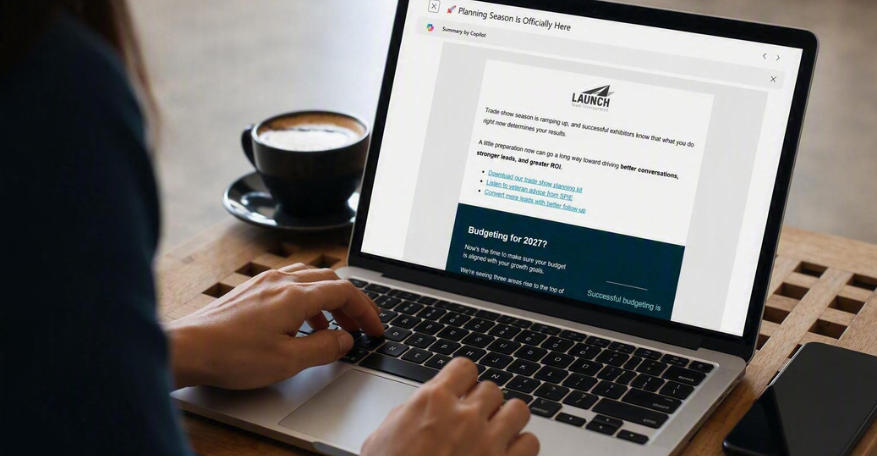
TL;DR AI is changing how buyers consume email. Subject lines, preview text, and relevance matter more than ever. Email performs best as part...